On September 10, AMC will premiere the much-anticipated sixth series in its expansive Walking Dead universe; it follows Daryl–a fan-favorite character from the mothership show–as he journeys across a turbulent, zombie-ravaged France. We took a look at the drivers behind the entire Walking Dead franchise with the release of The Walking Dead: Dead City back in June; this time, we’re exploring where the newest show fits within the recent trend of sweeping, broad-in-scope post-apocalyptic dramas.
Here’s what you need to know about The Walking Dead: Daryl Dixon:
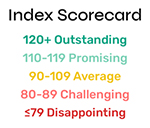
Vault uses index scores to describe the impact a given story/theme/element will have on specific KPIs: ≤79 Disappointing80-89 Challenging90-109 Average110-119 Promising120+ Outstanding
Who will be tuning in for this latest Walking Dead series?
We’re predicting a cable TV audience that leans male (55%) and is heavily older (90% aged 35+), while those streaming on AMC+ will be younger (40% <30) and mostly male (69%). This viewership pattern closely mirrors fellow zombie thrillers The Walking Dead: Dead City and The Last of Us, which places these shows between post-pandemic dramas See and Station Eleven (relatively gender-balanced) and the action-heavy DMZ (heavily male).
What’s the common draw for this type of show?
Life-or-death stakes and tight-knit bonds. These dystopian dramas tend to feature a Dangerous Mission (152) (Daryl Dixon) across a treacherous landscape of Tribal Warfare (138) (DMZ) in a World Turned Upside-Down (114)(Station Eleven), with the heroes’Lives in Danger (133) (The Last of Us) and dependent on their wits andSurvival Skills (135) (Dead City); the suspense leaves viewers on the edge of their seats. At the same time, such intense circumstances lead to intense relationships, where bonds new and old (Partnerships, 132, The Last of Us; Adopted Family, 151, See;Motherhood, 113, DMZ; Unlikely Friendships, 132, Daryl Dixon) become all that truly matter.
What will set Daryl Dixon apart?
A softer touch. This series (or its trailer, at least) takes a lighter tone than most, suggesting a very different audience experience. While shows like Dead City, See, and DMZ traffic in Fear (137), Aggressiveness (116), Loathing (130), and Vigilance (111), Daryl is tinged with Optimism (115) as the titular protagonist bonds with a young boy thrust into his care. Similarly, Daryl has fewer outright Horror (113) elements than Dead City (121) or The Last of Us (118), instead playing up tropes of the Western (128) genre with a lone hero standing his ground for Honor(117).
What will differentiate Daryl Dixon from the previous Walking Dead spin-off?
A single protagonist, a clean break and a mystery. While both follow characters long familiar to fans, Dead City picks up where original series The Walking Dead left off, creating a long-anticipated Team Up (132) between a pair of compelling former enemies. In contrast, Daryl Dixon breaks away from The Walking Dead’s story entirely, thrusting its lone, hardened Tough Guy (111) lead into A New Beginning (115) on an entirely different continent. The puzzle of Daryl’s journey (Hidden Truth, 123)–he doesn’t know how he ended up in France–also adds a hook for both longevity and social buzz. Daryl Dixon’s international backdrop, however (Non-US Setting, 106) will not prove as strong of a driver as Dead City’s post-apocalyptic New York (NYC Setting, 121).
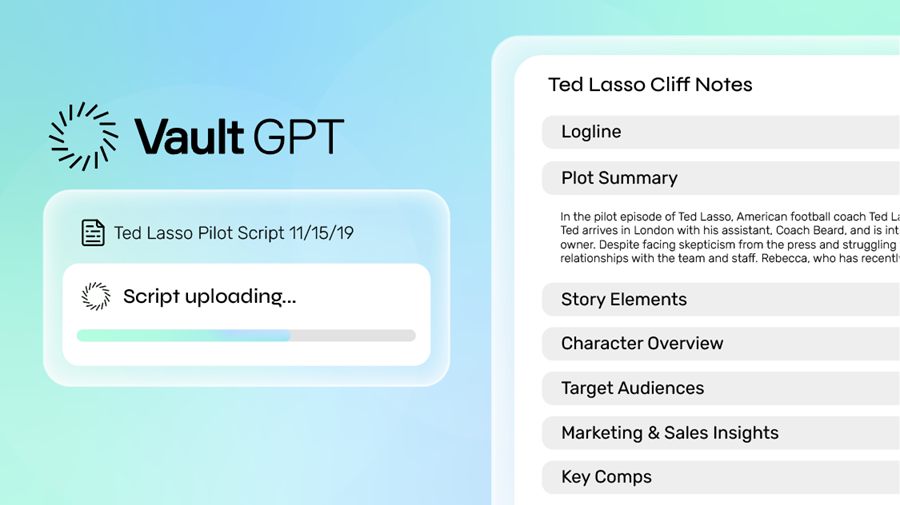
Meet Vault GPT
Your On-Demand Content Assistant
Vault GPT leverages the power of Vault’s vast content database and insights engine to transform development, marketing and sales workflows empowering users with ondemand coverage-like-summaries and briefs combined with insights – a cutting edge new tool for today’s executive.
100% safe and secure, Vault GPT is trained on over 60,000 film and television titles from the Vault database that contain both story and performance data.
Upload anything – a book, a script, a treatment – and let Vault GPT do the heavy lifting. In less than 1hr you’ll have automated summaries giving you insights into characters, key themes, plot, and even potential taglines.
Spots are limited, join the waitlist to secure your place in line.
*Publicly released trailers for series are evaluated using Vault’s algorithms – utilizing our proprietary 120K+ story element database alongside ratings performance and other datasets – to identify unique combinations of stories, themes, characters, and genre elements that will drive success.
Stay in the know
Subscribe to get Rapid Insights delivered to your inbox or follow us on LinkedIn
Past Rapid Insights: Miss one? Check out previous issues here
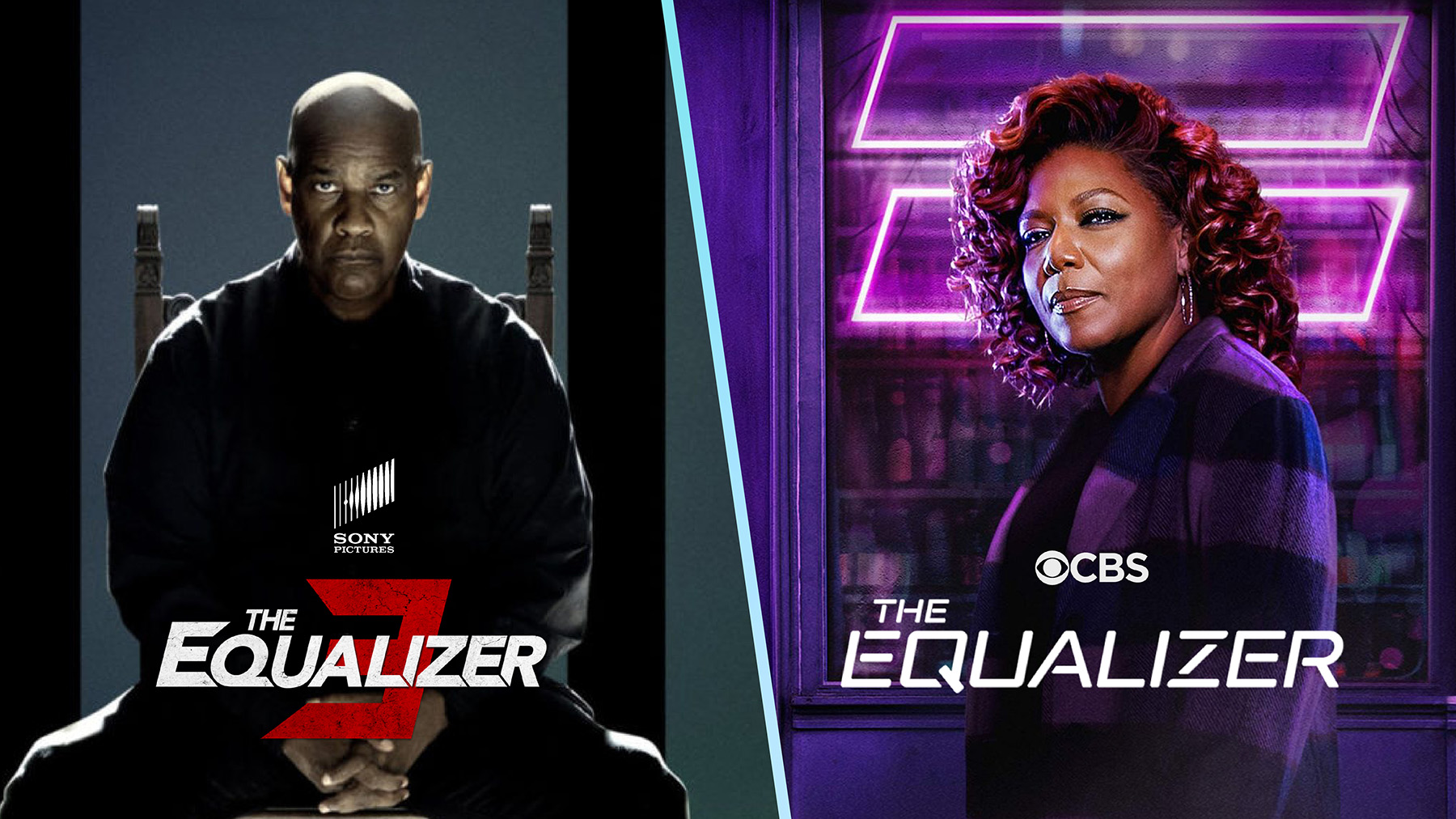
Star Denzel Washington and director Antoine Fuqua are once again joining forces this September with the third and final chapter of Sony’s The Equalizer film franchise. When it releases, the Equalizer IP will become especially notable for having two different versions running at the same time: the theatrical film and the CBS TV series starring Queen Latifah.
Here’s what you need to know about The Equalizer 3 and its TV cousin:
Vault uses index scores to describe the impact a given story/theme/element will have on specific KPIs: ≤79 Disappointing80-89 Challenging90-109 Average110-119 Promising120+ Outstanding
Will the TV show’s viewers turn out for this new movie?
Probably not. We’re predicting a male-skewing (59%), largely older (69% aged 30+), and highly diverse (25% Black / 20% Latino) theatrical audience for The Equalizer 3, while viewership for CBS’s series–in keeping with overall broadcast TV viewing patterns–is heavily female (61%) and almost exclusively older (95% aged 35+). We’re also seeing a low fan score(72) for the movie among TV series viewers, suggesting limited potential for overlap; instead, fans of John Wick(112) as well as the two previous Equalizer films (113) will be much more enthusiastic.
What do the TV series and film have in common?
Their central hero. Both Washington and Latifah portray a variation of the role first popularized in the original 80s TV show: a highly-skilled ex-government agent driven to fight injustice, right wrongs, and protect the innocent. In The Equalizer 3, Washington’s Robert McCall must take matters into his own hands (Vigilante Justice, 126) to protect a community he loves (Personal Stakes, 150) from the Sicilian Mafia, creating an Action-Packed (144) extravaganza. In CBS’s The Equalizer, Latifah’s Robyn McCall feels compelled to atone for past sins (Road to Redemption, 127) by putting her talents toward Fighting Crime (111) and rescuing the helpless, similarly upping the ante withAction & Violence (138) throughout.
What makes the TV show unique?
More character moments. With a season’s worth of hours to fill, CBS’s The Equalizer is able to go deeper, diving into its hero’s personal life and exploring her role as a dedicated Single Parent (142) while juggling a day job as a badass female operative (Strong Female Protagonist, 119). The show also populates the world around her, adding a bigger focus on surrounding characters like the Investigators & Detectives (137) germane to Solving the Murders (131) that crop up on a weekly basis.
What will set this new movie apart?
Lots of violence and an international backdrop. Unlike its CBS cousin, The Equalizer 3 is rated R, and it leverages its much-bigger-than-TV budget to revel in the fierce Bloody Violence (118) of righteous vigilante justice in front of a gorgeous Italian Setting (159). Indeed, the film’s top two attributes are Violent (123) and Bloody/Gory (119), and fans will be on the edge of their seats for its intense thrill ride.
Is the underlying IP important to either format?
Definitely. The overall Equalizer brand name is a key viewership driver for both the TV series (IP Extension, 117) and the upcoming film (Final Chapter, 160), with the latter’s ticket sales particularly hanging on the fact that it’s the last entry in an exciting trilogy.
Meet Vault GPT
Your On-Demand Content Assistant
Vault GPT leverages the power of Vault’s vast content database and insights engine to transform development, marketing and sales workflows empowering users with ondemand coverage-like-summaries and briefs combined with insights – a cutting edge new tool for today’s executive.
100% safe and secure, Vault GPT is trained on over 60,000 film and television titles from the Vault database that contain both story and performance data.
Upload anything – a book, a script, a treatment – and let Vault GPT do the heavy lifting. In less than 1hr you’ll have automated summaries giving you insights into characters, key themes, plot, and even potential taglines.
Spots are limited, join the waitlist to secure your place in line.
*Publicly released trailers for series are evaluated using Vault’s algorithms – utilizing our proprietary 120K+ story element database alongside ratings performance and other datasets – to identify unique combinations of stories, themes, characters, and genre elements that will drive success.
Stay in the know
Subscribe to get Rapid Insights delivered to your inbox or follow us on LinkedIn
Past Rapid Insights: Miss one? Check out previous issues here
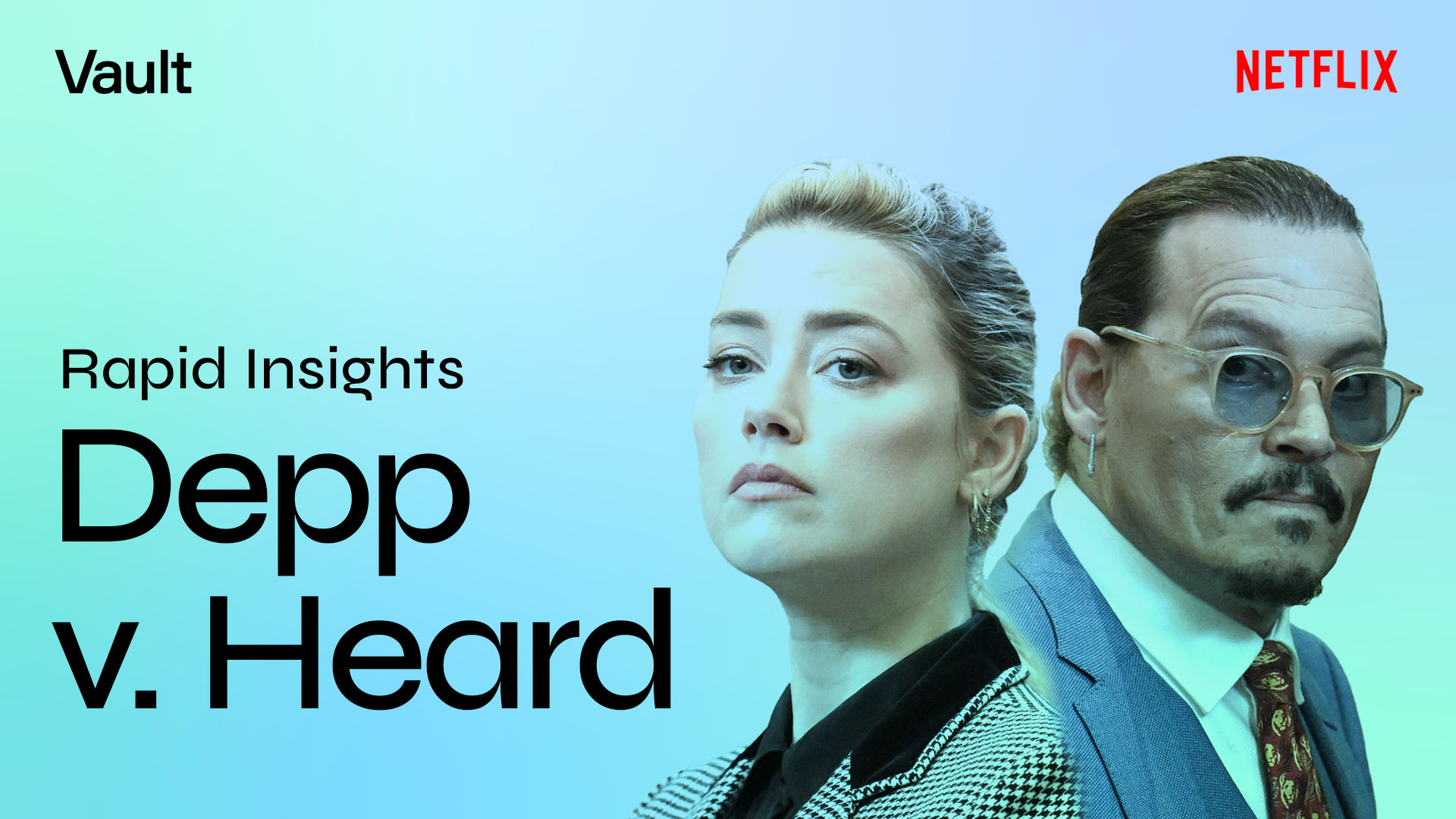
Tomorrow, Netflix will release a three-part documentary series on the notorious celebrity defamation case that gripped the world, spawned thousands of memes, and became the first “trial by TikTok.” The series will present litigants Amber Heard and Johnny Depp’s jarring testimonies side-by-side while exploring the striking impact of social media on truth and justice in today’s society.
Here’s what you need to know about Depp v. Heard:
Vault uses index scores to describe the impact a given story/theme/element will have on specific KPIs: ≤79 Disappointing80-89 Challenging90-109 Average110-119 Promising120+ Outstanding
Who will be tuning in for this courtroom-based documentary?
We’re predicting an audience that leans female (54%) and is mostly older (68% aged 30+), the same general profile of true crime fans watching shows like The Jinx, The Trials of Gabriel Hernandez, Crime Scene: The Vanishing at the Cecil Hotel, and The Way Down.
Why will audiences want to press play?
For the can’t-look-away intrigue. The real-life Courtroom Drama (160) of the infamous he-said/she-said civil trial and the Secrets & Lies (138) revealed as each side’s lawyers tried to catch the other in a falsehood will prove irresistible to viewers, even as the documentary itself pursues a more critical angle. These elements are also what people will be talking about online (again).
What will keep viewers watching? Sarcastic Humor (122). The show’s bingeability will be driven by the comedic awkwardness of the trial itself as well as the funny off-the-cuff remarks made by both parties on the stand. In addition, the documentary will highlight the snarky wit of the accompanying online commentary as it explores users’ reactions on social media.
What type of story will the documentary be telling?
An inside look at a marriage gone bad. After all the melodrama, the relatability of Depp and Heard’s troubled Married Life (120) is the second most-crucial viewership driver for this limited series. Depictions of their difficult Personal Backstories (119) and Dysfunctional Relationship (118) spiraling into alleged Domestic Abuse (119) will help make both celebrities feel very real and human.
How important is the fame of the litigants?
Somewhat. The household-name status of Depp in particular adds flavor to the proceedings–his Stardom (117)and public Scandal (115) are indeed viewership draws–but it’s the personal details drawn out in the case that will ultimately prove more crucial to the ratings. In this, Depp v. Heard fits in with other A-list-focused unscripted series where the details of the subjects’ lives, families, and personalities are more important than their general societal prominence: the Mother-Child Relationships (120) in The Kardashians, Magic Johnson’s Charisma & Confidence (125) in They Call Me Magic, the Coach-Athlete Relationship (120) in Neymar: The Perfect Chaos, and the band’s Camaraderie (125) in The Beatles: Get Back.
Meet Vault GPT
Your On-Demand Content Assistant
Vault GPT leverages the power of Vault’s vast content database and insights engine to transform development, marketing and sales workflows empowering users with ondemand coverage-like-summaries and briefs combined with insights – a cutting edge new tool for today’s executive.
100% safe and secure, Vault GPT is trained on over 60,000 film and television titles from the Vault database that contain both story and performance data.
Upload anything – a book, a script, a treatment – and let Vault GPT do the heavy lifting. In less than 1hr you’ll have automated summaries giving you insights into characters, key themes, plot, and even potential taglines.
Spots are limited, join the waitlist to secure your place in line.
*Publicly released trailers for series are evaluated using Vault’s algorithms – utilizing our proprietary 120K+ story element database alongside ratings performance and other datasets – to identify unique combinations of stories, themes, characters, and genre elements that will drive success.
Stay in the know
Subscribe to get Rapid Insights delivered to your inbox or follow us on LinkedIn
Past Rapid Insights: Miss one? Check out previous issues here
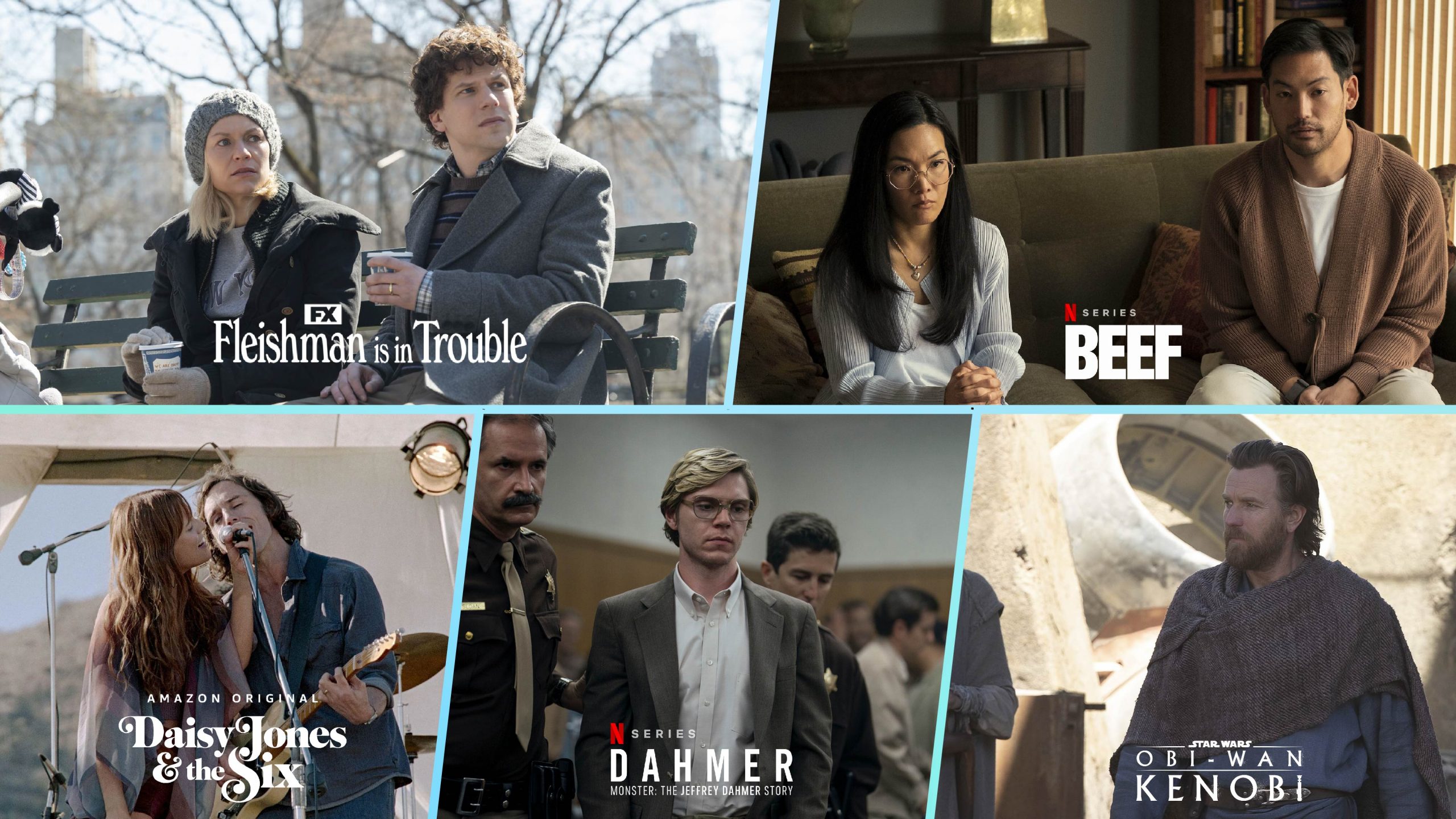
Earlier this month, the Television Academy announced its 2023 Emmy Awards nominees, so we wanted to take a closer look at the high-quality shows representing the best of this past year’s TV. First up: the category of Outstanding Limited or Anthology Series, filled with five compelling miniseries that really stood out on their respective streaming platforms: Netflix’s Beef and Dahmer – Monster: The Jeffrey Dahmer Story, FX on Hulu’s Fleishman Is in Trouble, Prime Video’s Daisy Jones & The Six, and Disney+’s Obi-Wan Kenobi.
Here’s what you need to know about this year’s Limited Series race:
Vault AI uses index scores to describe the impact a given story/theme/element will have on specific KPIs: ≤79 Disappointing80-89 Challenging90-109 Average110-119 Promising120+ Outstanding
Is there a common audience for these five series?
No. While all cater primarily to older viewers aged 30+ (62-73%), their gender appeal is all over the map: two lean heavily male (Dahmer, Obi-Wan), two are mostly female (Daisy Jones, Fleishman), and one is gender-balanced (Beef).
Do these nominees take a similar approach to storytelling?
Not at all. The category this year runs the gamut, with each of the five series playing in a very different genre sandbox: Obi-Wan celebrates its tales of Sci-Fi (143) Adventure (137), Dahmer revels in its gory true-Crime (122)Biography (118), Daisy Jones leans hard into the Music (142) of its era, Fleishman delves sensitively into Romantic (115)Drama (125), and Comedy (114),Beef draws in elements of a Western (111)-style stand-off. Consequently, they draw in viewers with a variety of emotional experiences as well, from the lighter and more uplifting (Daisy’s Love (138) and Ecstasy (126); Fleishman’s Optimism (126) and Joy (124)) to the darker and more intense (Dahmer’s Loathing (145)andContempt (145); Obi-Wan’s Fear (135)and Aggressiveness (123)).
What do these shows have in common?
Family. The major theme that runs through all five series is that of kinship, whether forged by blood or choice. This set of nominees explores the Family Relationships (160) and Family Conflicts (127) that can spur a feud (Beef), the Broken Families (148) that can form the backstory of a killer (Dahmer), the Friendship Conflicts (160)that can arise from a tight knit rock band (Daisy Jones), the Parent-Child Relationships (141) that evolve out of divorce (Fleishman), and even the Human/Non-Human Relationships (124)that can become meaningful in the vast reaches of space (Obi-Wan). The series’ deep commentary on the greater human condition is what makes this group so Emmy-worthy.
What else unites them?
They build upon oft-used settings. Each of these limited series offers up a unique take on an otherwise commonly-used backdrop in fiction, from New York City (Fleishman’s NYC Setting, 144) to the music industry (Daisy Jones’s Music Industry, 120) to space (Obi-Wan’s Space Setting, 133) to the courtroom (Dahmer’s Courtroom Drama, 132). Their unique twists on these milieus are important audience draws.
Is their original source material important?
Mostly yes. The fact that Dahmer is Based on a True Story (122), Fleishman is Based on a Book (121), and Obi-Wan is built into the Star Wars Universe (140) represent key viewership drivers for each respective series. The exception is Daisy Jones, whose characters and story elements bring in viewers ahead of its connection to its original novel. (Beef is an original screenplay.)
How did the overall social buzz look for this group of nominees?
Very strong. Four of the series maxed out our social buzz meter (at 160) with a sustained high level of online chatter over the course of their episodic roll-outs. (Fleishman was a bit lower profile, peaking at (128).) All five also saw a slight spike after the Emmy announcements.
Meet Vault GPT
Your On-Demand Content Assistant
Vault GPT leverages the power of Vault’s vast content database and insights engine to transform development, marketing and sales workflows empowering users with ondemand coverage-like-summaries and briefs combined with insights – a cutting edge new tool for today’s executive.
100% safe and secure, Vault GPT is trained on over 60,000 film and television titles from the Vault database that contain both story and performance data.
Upload anything – a book, a script, a treatment – and let Vault GPT do the heavy lifting. In less than 1hr you’ll have automated summaries giving you insights into characters, key themes, plot, and even potential taglines.
Spots are limited, join the waitlist to secure your place in line.
*Publicly released trailers for series are evaluated using Vault’s algorithms – utilizing our proprietary 120K+ story element database alongside ratings performance and other datasets – to identify unique combinations of stories, themes, characters, and genre elements that will drive success.
Stay in the know
Subscribe to get Rapid Insights delivered to your inbox or follow us on LinkedIn
Past Rapid Insights: Miss one? Check out previous issues here
While the writers’ strike can halt writing and production work for some time, it also presents an opportunity to leverage AI insights to gain an edge over the competition.
Vault AI is helping networks in three valuable ways during this time:
1) Pivoting to unscripted content 2) Deciding which new titles to green light once the strike ends 3) Identifying white space opportunities
Let’s dive into each of them and show you some examples.
Pivot to Unscripted with AI Concept Testing
While networks pivot to more unscripted programming to maintain strong viewership levels, choosing the right project to pursue is critical. Ideally, projects will succeed while aligning with the core audiences and growing the brand.
Using on-hand materials, from a sizzle to a character tape to a written description or paper presentation, Vault AI can ingest the unscripted concept and match it against its database to answer:
• Which unscripted concepts are predicted to have the most success overall and by demographic? • How do the concepts rank against each other? • What key story elements will engage or hold back viewers? • How unique is each concept vs. the current TV landscape?
Case Study
A broadcast network evaluated seven unscripted projects with the goal of green lighting five due to the writers’ strike.
Vault AI ranked each concept based on predicted success among: • target Women 25-54 • the network’s viewers • viewers of other unscripted shows on broadcast
Vault AI also unpacked each concept’s key drivers and challenges to enhance the chances of the series becoming a success.
Get a Head Start with AI Script Testing
Networks that leverage Vault AI during the writers’ strike can get more significant insights and position themselves to immediately ‘hit the ground running’ when the writers’ strike ends.
Vault AI can ingest a script, book, or podcast and provide the deep analysis (similar to a pilot test) that helps with script selection or preparation for pilot production.
The deep analysis answers questions like:
• Is this script worth developing? • Will this pilot hit our target demographics? • Which storylines are strong and unique enough to keep viewers coming back? • Which storylines are proving problematic? • Is the main character compelling enough? • What network is the best distribution channel?
Case Study
A cable network had four scripts that it commissioned before the writers’ strike and wanted to decide which one to move forward with when the strike is over. The cable network also wanted to know what changes to make to the scripts before moving on to the pilot phase.
Vault AI ingested each script and mapped them against its robust database. For each script, a thorough analysis was provided, including target audiences, key storylines to explore, character evaluations, and metrics on the project’s probability of success and uniqueness.
Using the insights, the network plans to move forward with one of the scripts and potentially a second.
Identify White Space Opportunities with AI Landscape Studies
During uncertain times, executives look for new opportunities. Vault AI’s ability to segment genres and sub-genres by analyzing data from thousands of titles simultaneously helps development executives identify white space opportunities.
The questions we answer the most with landscape studies are:
• Can we create new sub-genres within the genre? • Is there a hybrid opportunity between two sub-genres? • What are the key story drivers of each sub-genre? • What are the critical demographic segments for each sub-genre?
Case Study
A network wanted to dive deeply into the world of crime programming and understand the nuances of the sub-genres within crime and what made each similar and/or different. The network also wanted to know if any opportunities existed to create a new crime sub-genre.
Vault AI evaluated over 100 crime shows and segmented them into various sub-genres, mapping out each sub-genre’s key story elements, emotions, and demographics. By comparing the mapping of key story elements, Vault AI identified white space opportunities and sub-genres that were less saturated.
The client is sharing these insights with its development team and production partners to inform new titles.
Take Advantage Today
Find out more about how Vault AI can help you gain a competitive advantage during the writers’ strike by contacting david@vault-ai.com
LOS ANGELES, September 30, 2022 – Vault AI, the trailblazing AI-powered consumer insights firm, today announced the joining of Kyle Harvey as Research Director.
Harvey joins Vault AI from National Research Group, where he provided entertainment clients with deep content and audience insights throughout the project life cycle. This experience saw him working across methodologies to lead research projects that informed development and marketing decisions for network, studio, and streaming clients.
Harvey will be based in Vault AI’s Los Angeles office where he’ll be leveraging Vault AI’s proprietary databases and machine learning technology to help further expand the firm’s new approach to consumer insights within the entertainment industry: a faster, more agile, and predictive service that unlocks new ways to think about content.
“I have no doubt that AI and machine learning has a vital role to play in the future of market research,” said Harvey. “Combining Vault AI’s powerful technology with world-class insight leaders allows us to provide entertainment execs with industry insight they didn’t have access to before.”
“Kyle has already amassed an impressive amount of experience on a wide array of titles across theatrical, streaming and series and is one of the most trusted and talented up-and-coming researchers in the industry,” said David Stiff, CEO and co-founder of Vault AI.
With Harvey joining the team, Vault AI continues to deepen its bench of consumer insights talent, hot off the heels of its $8 million Series A funding round co-led by Hearst Ventures and PICO Venture Partners. Other participants in the Series A included existing Vault investors TV Azteca and Remagine Ventures.
Vault AI is based in Los Angeles and Israel, with a current headcount of 50 staffers.
About Vault AI
Vault AI delivers AI-powered consumer insights for leading streamers, TV networks and film
studios. The company enables clients to unlock better and quicker content decisions across production, development and marketing, without needing a single survey or focus group. Their proprietary mix of performance datasets, machine learning and a team of consumer insight experts deliver powerful research and analysis with the highest accuracy and fastest turnaround time. Vault AI is based in Los Angeles and Israel.
Unlock the future of content today. Find out more at https://www.vault-ai.com/
For more information, please contact:
Shelly Josias | Maxine Leonard PR
shelly@maxineleonard.com
Tel: +1.323.930.2345
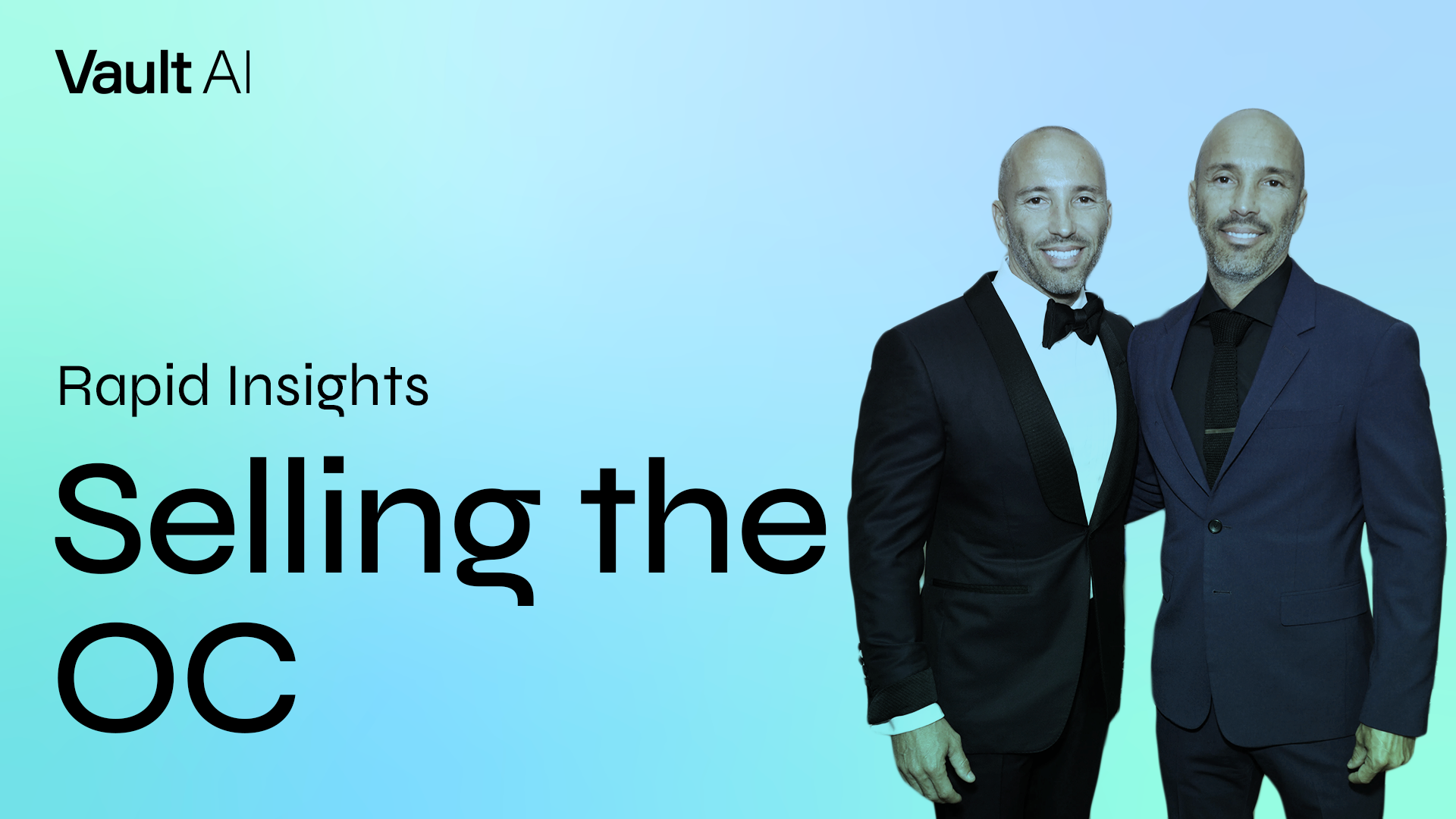
The Oppenheim Group, the high-end real estate agency featured in Netflix’s hit reality show Selling Sunset, has opened a brand new office in Orange County and has produced a brand new Netflix series to go with it. Just like its predecessor, this spin-off will revel in the addictive drama, romances, and betrayals among a group of employees as they compete to sell luxury homes in Southern California. Here’s what you need to know about Selling the OC:
Vault AI uses index scores to describe the impact a given story/theme/element will have on specific KPIs:
Will the same Selling-addicted audience be tuning in?
Definitely. Viewers of Selling the OC are predicted to be mostly female (59%) and lean older (54% aged 30+), almost identical to the audience for Selling Tampa, another entry in the franchise. Additionally, the overall Selling IP (129) is a top ratings driver.
What will get viewers invested in this newest crop of agents?
Their interpersonal dynamics. Moreso than the original, the palpable Romantic Tension (157) and fickle Co-Worker Relationships (147) (both platonic and non) between the Oppenheim employees will generate deliciously heightened drama, and their Difficult Workplace (131) rife with friction and backstabbing will encourage viewers to take sides.
What role will the real estate purchasing play in the show’s success?
It will help with longevity. The show’s core concept of House Hunting (152) offers a repeatable premise that audiences can follow in each episode and an evergreen source of new client stories that will help push it into a second season. However, viewership will depend more heavily on the drama between the Oppenheim employees.
What will drive the online conversation?
Extravagance and enmity. The excessively affluent, Wealthy Lifestyles (110) of the real estate agents–from lavish mansions to yacht parties to luxury clothing–and their resulting Rivalries (110) over sales and financial success are the top drivers for social buzz.
What could bring even more people into the conversation?
Humor. The fun playfulness baked into the show’s DNA, which StoryGuide reads as Comedy (112), stems directly from the tensions and personality clashes between agents, and these more ridiculously dramatic moments could be leveraged for greater online chatter.
*Publicly released trailers for series are evaluated using Vault AI’s algorithms – utilizing our proprietary 120K+ story element database alongside ratings performance and other datasets – to identify unique combinations of stories, themes, characters, and genre elements that will drive success.
—
Stay in the know
Subscribe to get Rapid Insights delivered to your inbox weekly.
Based in Los Angeles and Israel, Vault AI is using a combination of machine learning and consumer insights experts to help the entertainment industry predict consumer response to content. Test your content faster and more accurately with Vault AI and get granular insights across the entire content life cycle today.
Vault AI will leverage global audience engagement data from Whip Media’s TV Time app to provide AI-powered content and character insights for its clients globally
LOS ANGELES, August 18, 2022Whip Media, the leading enterprise software platform and data provider to the world’s largest entertainment organizations, has partnered with Vault AI, a predictive research company that delivers AI-powered consumer insights for leading streamers, TV networks and film studios, it was announced today by Vincent Muscarella, Vice President of Sales at Whip Media and David Stiff, CEO and co-founder of Vault AI.
Vault AI combines rich consumption datasets with content and story DNA from over 60,000 global titles across all platforms and genres to determine through machine learning how a title will perform in the market, who the audience will be and what marketing will drive them to watch. These actionable AI-powered consumer insights are delivered by an experienced team of consumer insights experts with the highest accuracy and fastest turnaround time.
Vault AI will be using user level data from TV Time, Whip Media’s popular TV show and movie tracking app with 22 million global registered users, to expand its global content data and add even more granularity to how content and characters impact audience demand, affinity and emotional response. TV Time’s data will shed light on audience behavior at the individual viewer level, conveying viewer’s engagement and sentiment reactions to a film or series and how characters drive engagement – allowing Vault AI’s entertainment clients to go beyond standard age and gender demographic data for decision making. Further, the size and footprint of TV Time’s user base will unlock insights in dozens of international markets for Vault AI, regardless of platform.
“We couldn’t be more excited to partner with Vault AI, a trailblazing company that sits at the intersection of content and technology,” said Whip Media’s Vincent Muscarella, Vice President of Sales. “Our cross-platform TV Time viewer data is an ideal and wholly additive asset that complements Vault AI’s consumer behavior insights – a combination that will offer Vault AI’s clients new dimensions for worldwide content insights.”
“Our partnership with Whip Media addresses the evolving needs of entertainment companies that are searching for ways to get granular audience and character insights with the speed and global scale that only AI can unlock,” said David Stiff, CEO and co-founder of Vault AI. “Whip Media’s powerful TV Time app data expands our understanding of how consumers engage and emotionally resonate with content and characters globally, enriching our AI-powered insights. Being able to now add deeper and richer character insights that go far beyond just ‘likeability’ is game-changing for our clients.”
This new partnership comes at a critical time for the entertainment industry; evolving data that offers first-person, real-time insights into what viewers are enjoying internationally, without platform data gaps in the modern streaming age, has never been more important. Vault AI, in partnership with Whip Media and TV Time, will continue to provide industry-leading consumer insights to the top entertainment executives in the U.S. and abroad.
About Whip Media Whip Media is a market leading enterprise software platform and data provider to the world’s largest entertainment organizations. Our solutions connect and scale data, processes and teams across licensing, content planning, and financial operations to improve decision making, drive efficiency, revenue, and growth. The company’s latest innovation, The Whip Media Exchange, is a first-of-its-kind content licensing and research platform for buyers and sellers of film and TV content, with real-time access to data and performance predictions to accelerate deal making. For more information, visit www.whipmedia.com
About Vault AI Vault AI delivers AI-powered consumer insights for leading streamers, TV networks and film studios. The company enables clients to make confident content decisions across production, development and marketing, without needing a single survey or focus group. Their proprietary mix of performance datasets, machine learning and a team of consumer insight experts deliver powerful research and analysis with the highest accuracy and fastest turnaround time. Vault AI is based in LosAngeles and Israel.
In the age of peak content, the media and entertainment industry faces new challenges after years of expansion. The streaming boom is slowly turning into a battle of customer retention while linear TV continues to lose viewers, and audiences are slowly returning to movie theaters in the midst of the ongoing pandemic. In the midst of this change, we are now faced with the reality of inflationary pressures and a potential recession, exacerbating the challenges of competition and subscriber fatigue. In the face of these challenges, the value of “hit” content has never been higher. Given these changes, now is the time for content creators and marketers to gain a competitive edge by making their content and research strategies more nimble, scalable, and reliable via AI-powered Consumer Insights.
AI-powered Consumer Insights encompasses respondent-free research techniques that offer media and entertainment executives a faster, more accurate and more secure approach to consumer insights than current survey and focus group methodologies. By using AI to understand consumer behaviors and taste preference, issues related to sample size and data quality are eliminated, global insights are more timely, and research findings can evolve in real-time as the competitive landscape changes and new viewership patterns emerge.
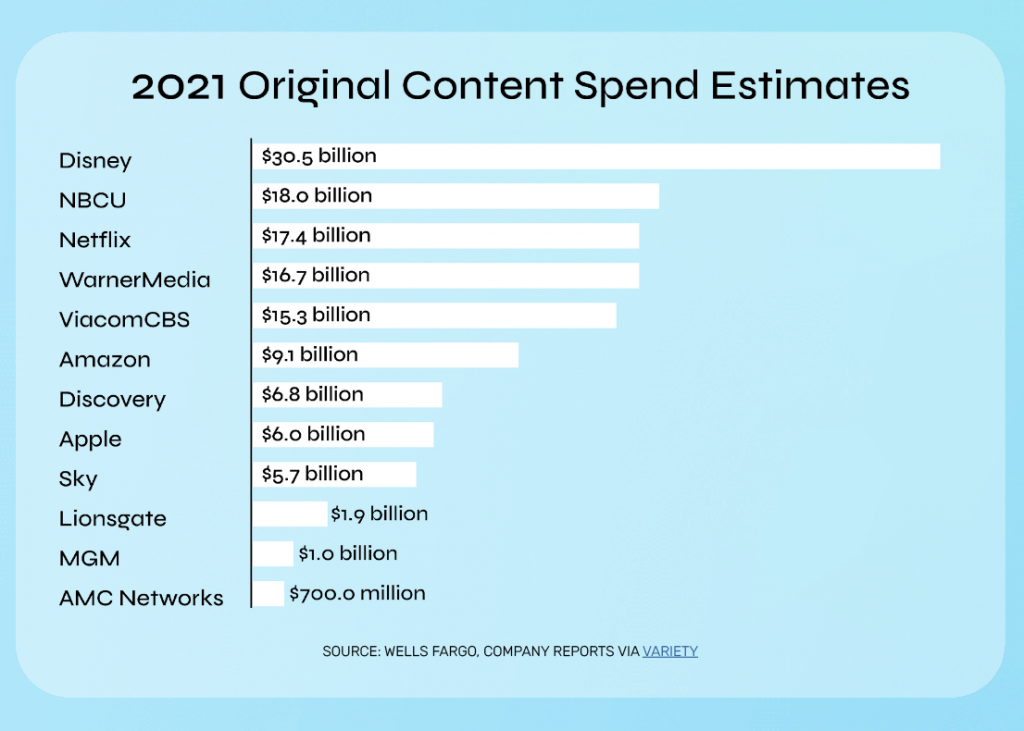
With total content spend reaching over $140bn in 2022 (Variety), top studios and streamers require more thorough and complex research to identify prospective “hits” and optimize creative and marketing strategies. This mass-production of content and proliferation of direct to consumer streaming platforms has led to unprecedented levels of competition in the US, causing many media and entertainment outlets to lean heavily on international markets to sustain growth. Fortunately, Artificial Intelligence is particularly well suited to utilize Big Data to understand the competitive global content landscape, audience tastes, and drivers of viewership. AI empowers the media and entertainment sector with the Consumer Insights needed to thrive in today’s uncertain marketplace.
A comparison of content costs among streaming competitors. (Variety)
To be sure, survey and focus group research continues to play a critical role in helping the media and entertainment sector understand the opinions and thoughts of certain audiences. However, this article articulates the benefits of embracing AI-powered Consumer Insights as part of the research process to optimize ongoing and future content investment and marketing strategies.
The Flaws of Traditional Consumer Research
Aging methodologies underpin much of the status quo for consumer research. These traditional consumer insights rely on respondent-based methodologies like focus groups, panels, and surveys. These traditional methods help identify the decision making and experience behind peoples’ recent behaviors, but are less powerful when predicting future behaviors. The glaring failures of political polling in recent times are evidence of this.
While there have been some technological advancements in traditional research methods, namely fraud response detection and mobile survey samples, these haven’t addressed the fundamental issues of sample size, extrapolation, and reliability.
“Entertainment companies continue to use traditional respondent research despite fundamental issues.”
Sample Bias and Accuracy Issues
Insights based on traditional consumer research are only as good as the respondent data collected. Experts question if surveys and focus groups can consistently collect high-quality data. Studies show that 90% of researchers need to improve panel quality control (i.e., removing bots and problem respondents from their panel). Over 40% of respondents claim familiarity with fake brands, demonstrating the challenges in trusting respondent feedback at face value (Grey Matter Research). Long surveys are another issue impacting data quality. Survey lengths increase to gather more meaningful insight, often taking thirty minutes or more to complete, resulting in respondent fatigue, non-response bias and diminishing data quality.
Small Sample Size
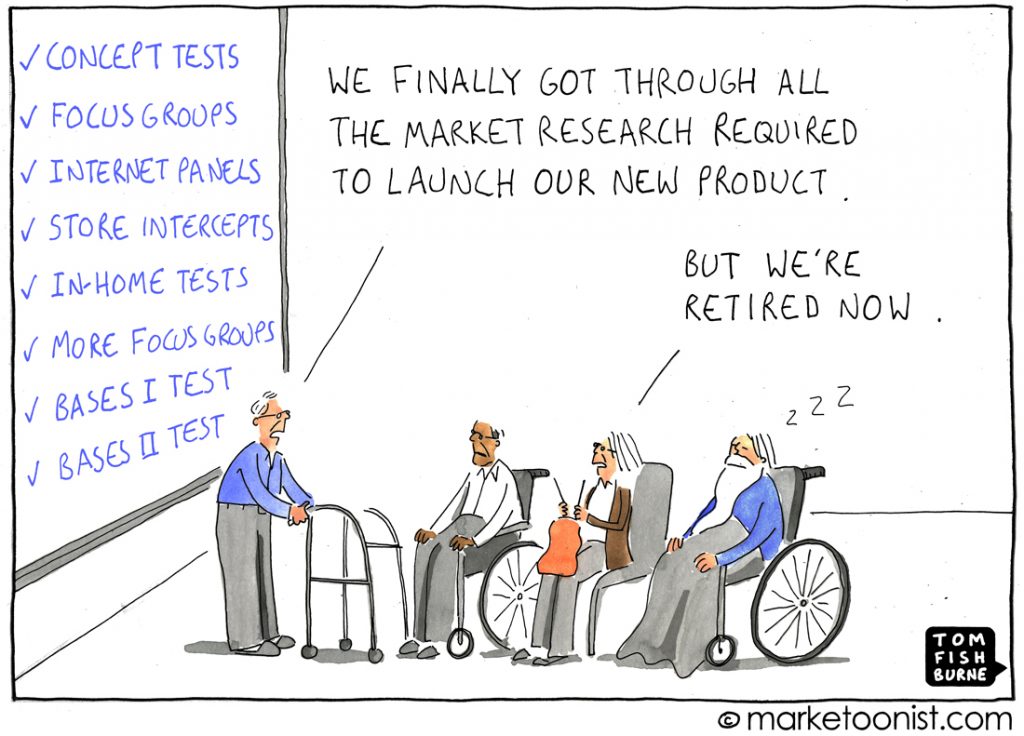
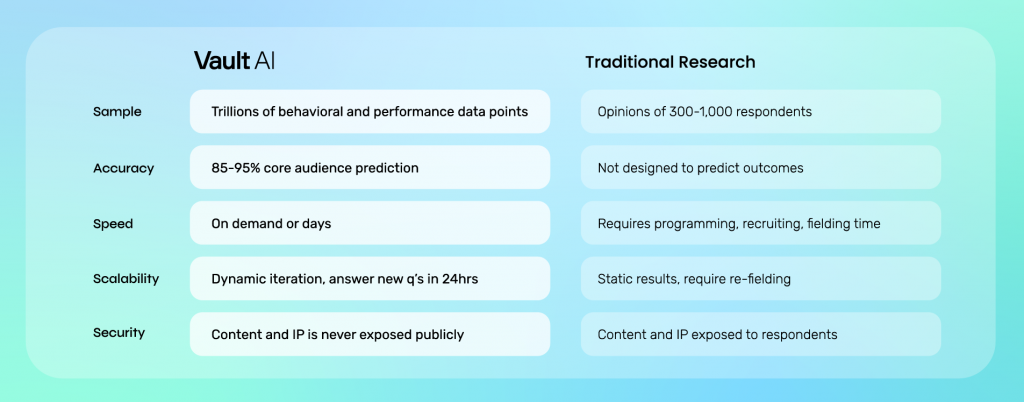
The small sample sizes of traditional methods are often a source of frustration for the entertainment market. Yet, with no clear alternative, and tight budgets to meet, respondent surveys are deployed with samples as small as 300-1,000 respondents. As a result, the risk factor of extrapolating these findings to the broader population in an increasingly complex market is high, diminishing the entertainment industry’s ability to make critical business decisions with a high degree of confidence.
Slow and Labor Intensive Process
Aside from data quality and sample size issues, collecting respondent feedback is inefficient. Positioning studies for entertainment content often take six weeks, not including planning time. More significant global genre and landscape studies often take months. As a result, insights are often weeks old by the time they arrive. In a competitive market with rapid releases, this turnaround is suboptimal.
Static Results
Finally, data collected in respondent studies do not reflect changes in consumer behavior that emerge after the study is completed. To monitor trends over time or dig deeper into nuances discovered during research, the entire survey or focus group process must start again from the beginning — the antithesis of scalability.
Despite these fundamental issues, most entertainment companies continue to use traditional respondent research as their primary methodology. Fortunately, there is another way to make decisions that drive business outcomes.
A New Dawn: AI-powered Consumer Insights
Predictive, data-driven audience research provides decision-makers with insights based on population-level viewership behaviors rather than respondent opinions. As a pioneer in this space, Vault AI’s approach uses a proprietary combination of AI and consumer insights talent to identify the core story themes and character profiles present in the content. Machine learning then identifies the story elements that drive viewership based on actual in-market performance data (e.g. box office, live viewership, number of hours streamed).
“AI-powered insights are based on actual behavioral data, not stated responses from respondents.”
This approach was designed to deliver consumer insights in a way that directly addressed the limitations of traditional respondent-based consumer research in the entertainment market.
Eliminating Sample Bias and Small Sample Sizes
AI-powered insights are based on actual behavioral data, not stated responses from respondents, eliminating the issues in sample quality, respondent bias, leading questions, and small sample extrapolation. All of this is made possible by using AI and Big Data to understand the actual viewing behaviors of entire populations, rather than collecting feedback from a small portion of the population to extrapolate to a larger group.
Faster Turnaround Time & Dynamic Results
By eliminating the time needed for respondent recruitment and study administration, AI analysis can deliver actionable consumer insights within 24 hours. Unlocking the ability to deliver insights early enough for implementation and with enough time to support rapid iteration and follow-up studies. As production unfolds and as release approaches, insights can be rapidly updated to reflect the evolving creative and marketing materials and competitive release landscape.
Vault AI’s approach alleviates the core limitations of traditional research.
Why Now?
The trends of globalization and multimodal distribution in the media sector (e.g., releasing on both linear TV and streaming) coupled with increasing market competition and challenging economics make AI-powered Consumer Insights well suited to the current and future needs of content creators, marketers, distributors, and researchers.
One World, Many Markets
The media and entertainment industry is increasingly international. Global OTT revenue is projected to rise from $135B in 2021 to $224B by 2027 as streaming services produce and distribute content on an increasingly global basis to sustain growth (Digital TV News). However, the traditional respondent-based research techniques used to inform these production, distribution and expansion strategies offer few synergies and limited economies of scale, making them suboptimal for the consumer research needs of today’s competitive global entertainment landscape. Conversely, the speed and reliability of AI-powered Consumer Insights methodologies become an increasingly compelling value-add when applied on a global basis.
A Hit is a Hit in Any Language
The availability of and appetite for foreign language content has increased across the globe. In the US, 2020 Oscars champion Parasite and recent box office breakout Everything Everywhere All at Once are not in English, while streaming hits Squid Game, Money Heist, and Lupin are all imports (CNET).
Globalized content is more than just the US importing and exporting content – Squid Game was at one point the top show in 90 countries (Forbes). AI is language-agnostic and can understand viewership based on population-level engagement data in any country. The advantages of predictive insights, including turnaround time, are particularly game-changing as the number of titles and countries researched increases.
Multimodal Distribution
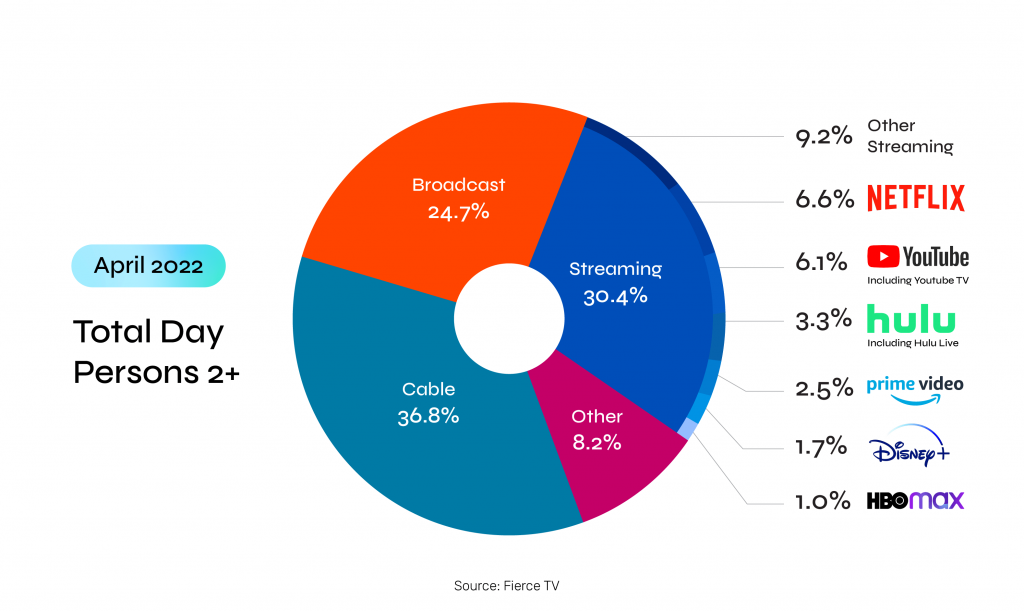
Another critical trend impacting consumer research in the entertainment industry is the increase in multimodal distribution — namely, releasing content in multiple distribution formats (e.g. linear and digital). Distribution decisions add complexity to content and marketing strategies. AI-powered consumer insights have an advantage over traditional and proprietary 1st party subscriber-specific datasets by representing audience behavior holistically across all modes of distribution.
Viewership is increasingly fractured and difficult to capture. (FierceTV)
The rise of multimodal distribution has prompted new research questions. Instead of asking: “Will this attract a live audience at home or in theaters?” audience research today strives to answer: “How can this content create the greatest lifetime value across all our modes of distribution?” AI and Big Data-driven analysis provide a methodologically robust view of audience consumption and a means for predicting the value of content in any release format.
AI-powered Insights Yield Impactful Results
Traditional consumer insights methodologies were designed for simpler times. Surveys remain great for understanding why a group of people took specific actions. However, AI is more powerful as a strategic ally for predicting the performance of unreleased content and optimizing release strategies to maximize commercial success and navigate significant market turbulence.
Content, audience and distribution decisions pose complex questions, exasperating the fundamental shortcomings of traditional research. In contrast, Vault AI’s proprietary combination of data, AI and consumer insights experts evaluates consumer viewing patterns holistically across all types of distribution and consumption, providing faster and more accurate insights aligned with the needs of today’s media and entertainment industry.
Continue the conversation about what AI-powered consumer insights can do for you: etitelman@vault-ai.com
Or register your interest for our upcoming webinar on this topic
— About Vault AI
Vault AI delivers AI-powered consumer insights for leading streamers, TV networks and film studios. Our proprietary mix of performance datasets, machine learning, and consumer insights professionals brings you powerful insights with the highest accuracy and fastest turnaround time. Without needing a single survey or focus group, we help you make better production, development and marketing decisions for your content at scale.
Releasing in mid-June, Starz’s upcoming new Renaissance period drama points the spotlight at the girl who would be queen–England’s Queen Elizabeth The First. The series tracks Elizabeth’s life after the death of father Henry VIII as she fights for the crown and becomes embroiled in all the court scandals of her day. Here’s what you need to know about Becoming Elizabeth:
What audience will be most interested in the series?
Older women. Viewers will be mostly female (56%) and heavily older (91% aged 35+), with a full third falling into the F55+ group. This demographic split mirrors similar female-led royal period dramas Reign and Victoria, but Versailles (which followed a young Louis XIV of France) attracted relatively more men.
How important is the show’s portrayal of real-life history?
Very. The fact that the show is Based on Historical Events (123) and full of depictions of true-to-life Political Manipulations (115) is key driver for ratings and lifts the degree to which it’s perceived as a Biography (120) and History (117) series.
What about this series will make for a fresh historical retelling?
Its focus on Elizabeth’s teen years. While many previous projects have explored the reign of Elizabeth I, Becoming Elizabeth concentrates on her Coming of Age (113) story, her Inner Conflict (125) around a potential claim to the throne, and the heightened adolescent trials and experiences that ultimately forged the future ruler of England’s Golden Age.
What element lies at the heart of this story? Family Conflict (128). The court intrigue is heightened by the fact that the games are being played around and amongst siblings. The three children of Henry VIII–young and sickly Edward, domineering Mary, and stubborn Elizabeth–become both agents and pawns of manipulation, and their tumultuous Sibling Rivalry (126) will be a key viewership driver for the series.
How will the royalty of it all contribute to the show’s success?
It will help with longevity. As with The Crown, Reign, and The Great before it, Becoming Elizabeth’s focus on Royalty (114)–in this case, the English monarchy–will feed viewers’ obsession with the lives of kings and queens and offer a compelling reason for them to keep coming back.
What emotional experience will keep viewers glued to their seats?
The whiplash of a high-stakes adolescence. As Elizabeth both tangles with scheming relatives and feels the first blooms of romance–all while fighting accusations of treason and rebellion, punishable by death–her emotions seesaw from Love (113) to Anger (113), providing a rollercoaster viewing experience that will offer fodder for many seasons to come.
*Publicly released trailers for series are evaluated using Vault AI’s algorithms – utilizing our proprietary 120K+ story element database alongside ratings performance and other datasets – to identify unique combinations of stories, themes, characters, and genre elements that will drive success.
Vault AI uses index scores to describe the impact a given story/theme/element will have on specific KPIs:
—
Stay in the know
Subscribe to get Rapid Insights delivered to your inbox weekly.
Based in Los Angeles and Israel, Vault AI is using a combination of machine learning and consumer insights experts to help the entertainment industry predict consumer response to content. Test your content faster and more accurately with Vault AI and get granular insights across the entire content life cycle today.
Processing...
Thank you!Your subscription has been confirmed.You'll hear from us soon.